1/3 Buzand Str., Yerevan 0010, RA
The city of Pitesht is located in southern Romania. It is assumed that Armenians settled here in the 14th-16th centuries, but reliable information about the existence of an Armenian community dates back to the 19th century. In the first half of the 20th century, Armenian theatrical performances and concerts of Armenian music were organized in the city.
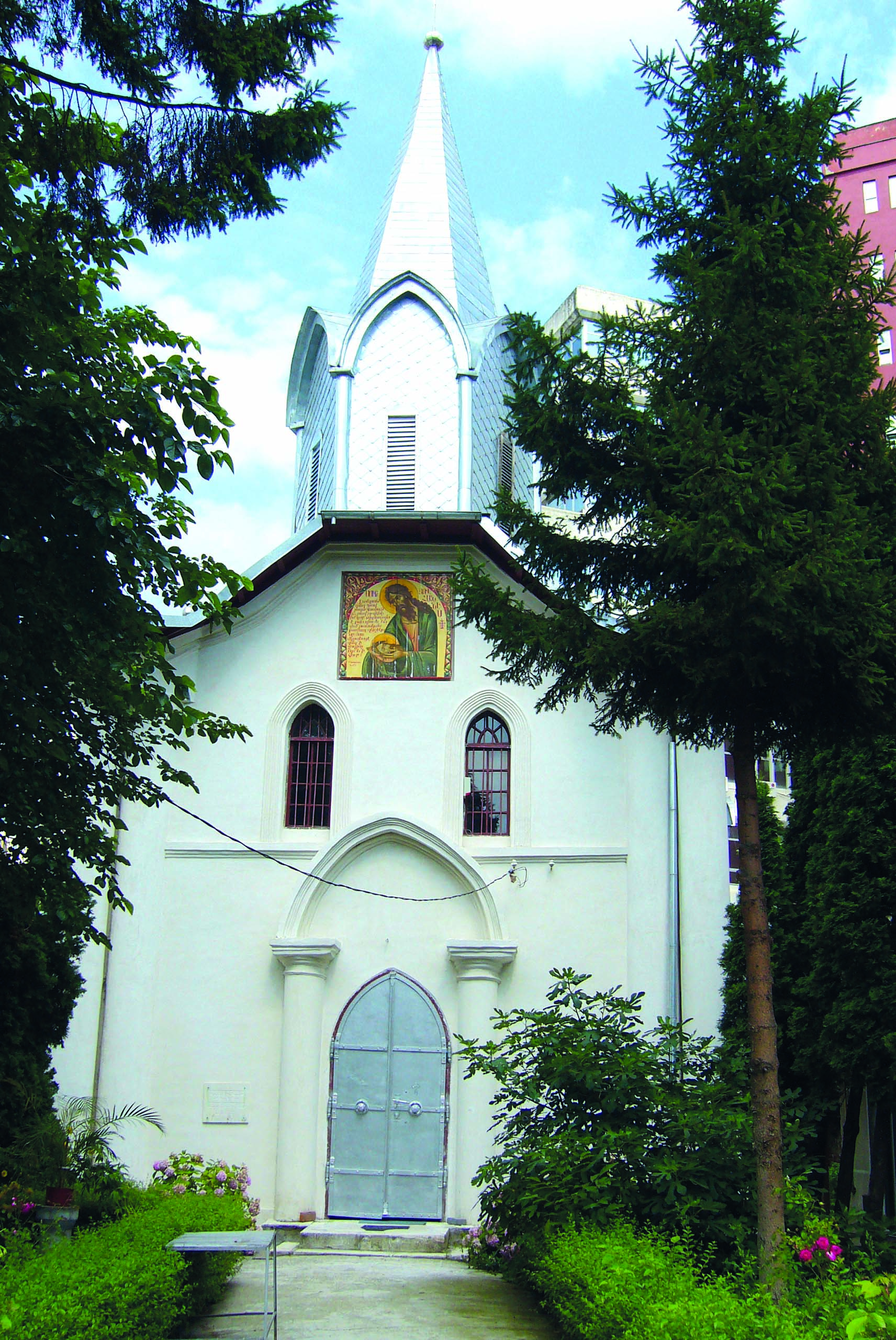
In the centre of Pitesht stands the Armenian Church of St. Hovhannes Mkrtich (John the Baptist). It was founded in 1693 and rebuilt in 1852. In 1882, the church was renovated and consecrated by Bishop Khoren Narbey. According to the priest Father Hetum Tarverdyan, the church was built by the Aslan family, whose members later converted to Protestantism. The church was also renovated in the 20th century: in 1914, 1935, and 1966. These works are evidenced by a memorial plaque in the narthex and an inscription carved on a mosaic.
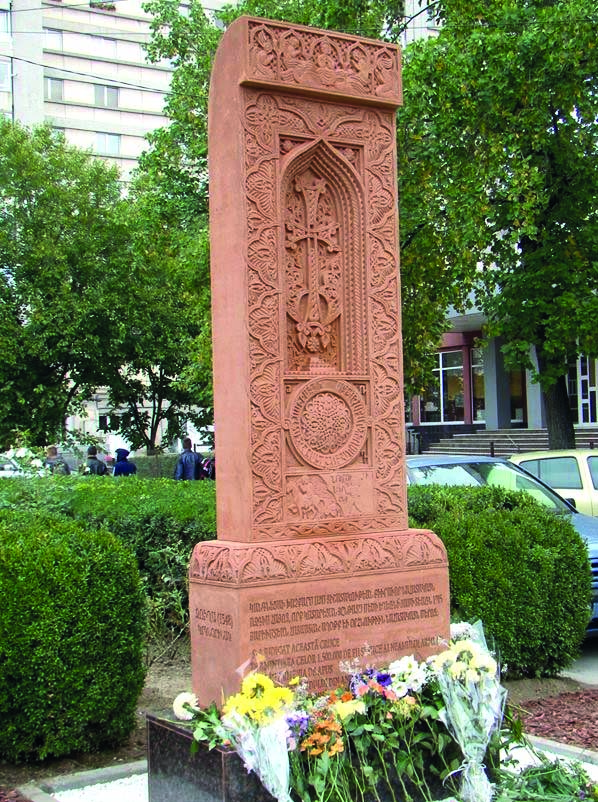
A khachkar dedicated to the memory of the victims of the Armenian Genocide is also erected in Pitesht. The author of the memorial is sculptor Artak Ambartsumyan. It was brought to Romania through the care of the pastor of the St. Hovhannes Mkrtich Church in Pitesht, Father Hetum Tarverdyan, on the initiative and blessing of Bishop Tatev Hakobyan. The khachkar was consecrated on September 26, 2014.
On the pedestal of the elegantly carved tuff monument, there are inscriptions in Armenian and Romanian languages, confirming its dedication to the memory of the victims of the Armenian Genocide. The Armenian inscription reads:
“This khachkar is erected in memory of the countless victims of my Armenian people who perished during the Great Genocide in 1915 in western Armenia. Prayesr and blessings for our victims.”